
Here in Winnipeg, we have a pretty short window for fall home maintenance. Once summer wraps up, overnight freezes, snow, and consistently cold temperatures don’t take long to make their grand entrance.
This is why early fall is the best time to check your home’s exterior before months of snow, ice, wind, and freezing weather set in. Small problems can get worse over winter, like moisture getting behind damaged siding, a leaking shingle, or attic issues causing ice on the roof.
Use this fall home maintenance checklist to check your Winnipeg home’s exterior while there’s still time to fix any issues before winter.
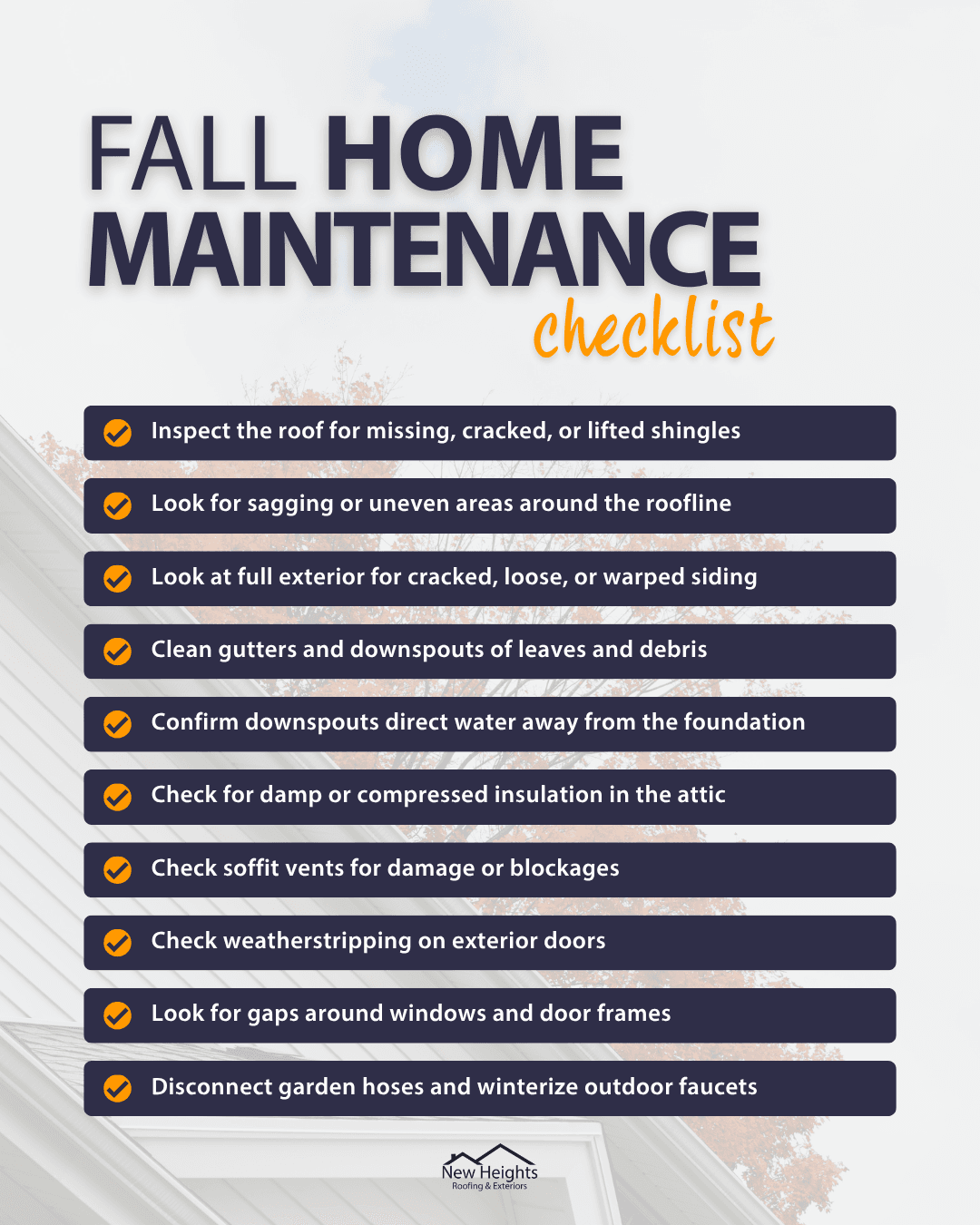
Ten things worth checking on your Winnipeg home before the snow flies.
1. Check Your Roof Before It’s Covered in Snow
It’s much easier to spot a damaged shingle or flashing in the fall than during a Winnipeg January. Luckily, you don’t need a ladder for a basic roof check. Stand back far enough to see all the roof sections and look for anything that seems uneven, damaged, or out of place.
Keep an eye out for:
- Missing, cracked, curled, or damaged shingles
- Areas where shingles appear lifted
- Excessive granules collecting near downspouts
- Damage around vents, chimneys, or other roof penetrations
- Flashing that appears loose or damaged
- Sagging or uneven areas of the roofline
How your roof handled last winter can also give you clues. Remember any spots with heavy ice, leaks, or water stains inside. Check those areas again before the snow comes back.
Some roof problems are hard to see from the ground. Instead of climbing up yourself, consider hiring a professional to check the shingles, flashing, seals, and other areas. They can spot early signs of trouble that are easy to miss from below.
2. Take a Look at Your Siding
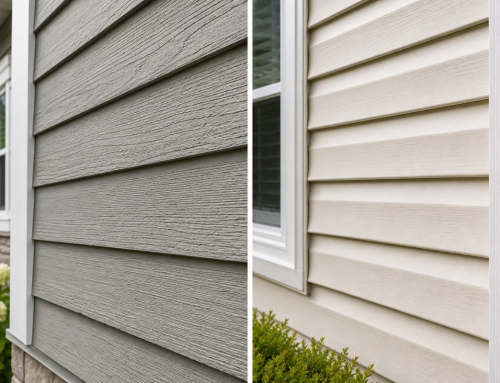
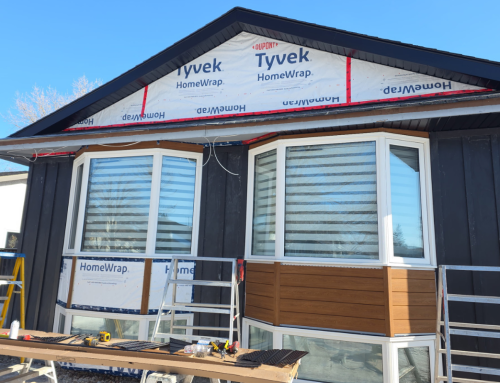
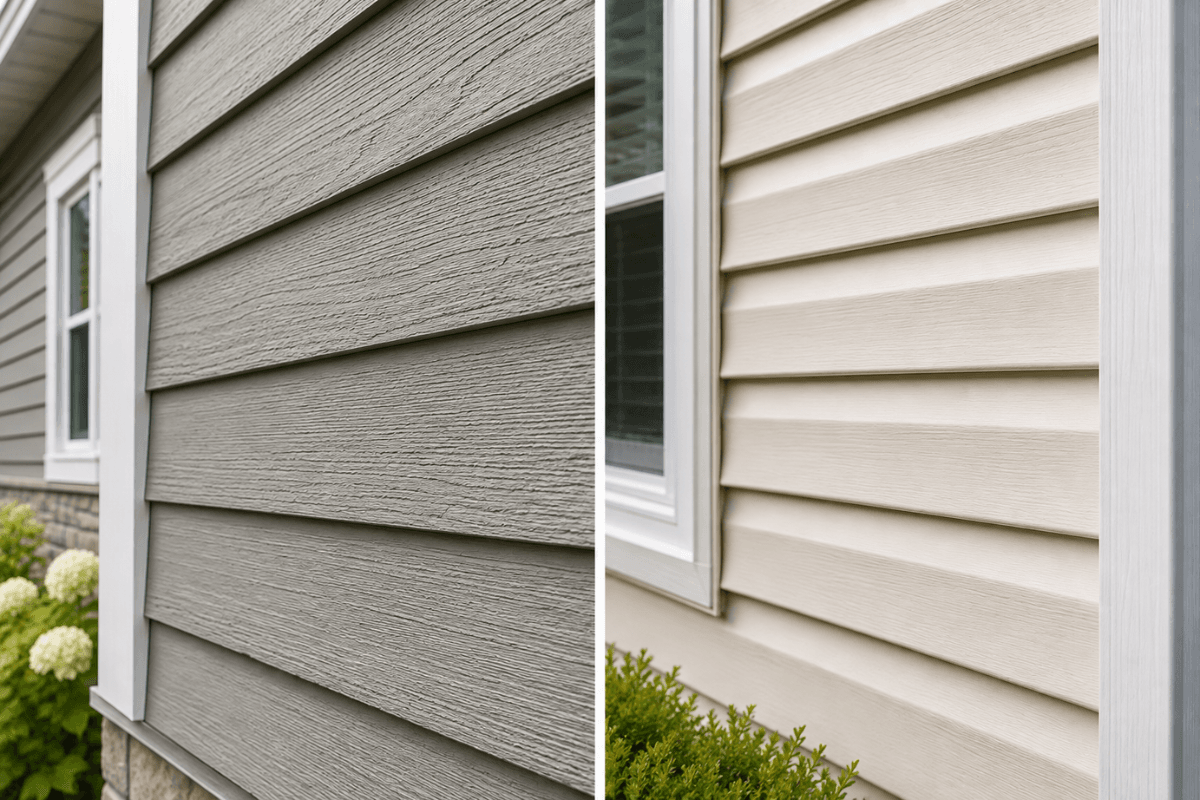
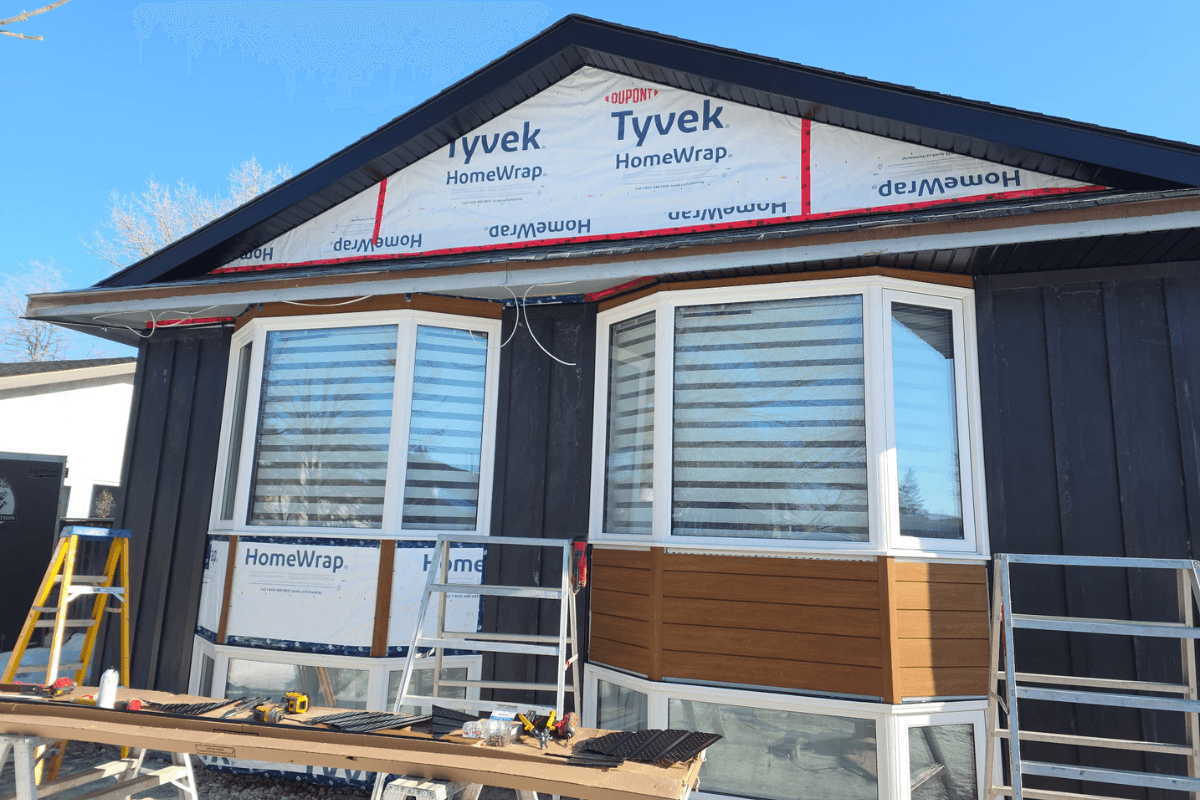
Your siding faces cold, snow, moisture, wind, and changing temperatures all winter in Manitoba. Walk around your house and look for siding that’s cracked, loose, warped, buckling, pulling away, or missing.
Pay particular attention around windows, doors, corners, utility penetrations, and anywhere different materials meet.
Small gaps let water get behind the siding. When it gets cold, trapped moisture can freeze and expand. These gaps can also let insects and pests into your home as they look for warmth.
While you’re checking, look at the caulking around windows and doors. If it’s cracked, missing, or worn out, replace it before it gets too cold for the caulk to set properly.
3. Clean Your Gutters and Check Your Downspouts
A few leaves in your eavestroughs may not seem like a big deal in October. But once snow, ice, and freeze-thaw cycles hit, that debris can block water from draining properly.
Begin by removing leaves, twigs, shingle granules, and anything else that could block drainage. As you go around the house, check for sagging eavestroughs, leaking seams, bent sections, or parts pulling away from the fascia. Water should flow easily to the downspouts, which should direct it several feet from your foundation.
Good drainage matters even more when temperatures rise and fall around freezing. Snow can melt on warmer days, then refreeze when it gets cold.
Eavestroughs are just one part of preventing ice dams. Ice dams form when heat from your home melts the snow on the roof, and the water runs down to the colder eaves and freezes again. Keeping eavestroughs clear helps water drain, but if you keep getting ice dams, it’s also a good idea to check your attic before winter.
4. Check Your Attic Insulation and Ventilation
You might not think about your attic often, but what happens there can really affect your roof during winter.
If heat escapes from your living space into the attic, it can warm the roof and melt the snow above it. The water then runs down to the colder eaves and freezes, causing ice dams. Good insulation keeps heat inside, and proper ventilation helps control attic temperature and moisture.
Before winter, take a quick look in your attic. Signs like damp or compressed insulation, water stains, condensation, mould, blocked vents, or thin and uneven insulation mean something needs fixing.
Watch for signs outside the attic as well. If you get ice dams every year, see big icicles along the eaves, or notice ongoing attic moisture, try to find the cause before another Winnipeg winter starts the cycle again.
5. Inspect Fascia, Soffits, and Exterior Trim
While checking your home, look closely at the fascia, soffits, and exterior trim. Watch for peeling paint, soft or rotting wood, cracks, gaps, or loose parts. Pay extra attention near eavestroughs and downspouts, since poor drainage can cause repeated moisture problems.
Remember to check under the eaves. Soffits help ventilate the attic by letting fresh air in through vents along the roof. If these vents are damaged, covered, or blocked, airflow suffers. Fix any issues before you close up the house for winter.
6. Seal Gaps Around Windows and Doors
A windy fall day can show you where cold air is getting in. Check the weatherstripping on exterior doors and look for cracks or gaps around window and door frames. You might even feel bigger drafts inside when it’s windy.
Also check less obvious spots. Pipes, cables, vents, and utility lines go through your home’s exterior, and their seals can wear out over time. Gaps here can let in cold air, moisture, and pests.
If you see cracked or missing caulking outside, fall is a good time to replace it. Check the product’s recommended temperature before applying, since some caulks won’t set properly once Winnipeg gets too cold.
7. Disconnect Garden Hoses and Prepare Exterior Faucets
It’s easy to forget about garden hoses after yard work is finished, so include them in your fall check. Disconnect hoses from outdoor faucets before it freezes. Water left in a hose can freeze, expand, and damage the faucet or plumbing.
While you’re at it, check each outdoor faucet for drips, leaks, or damage. If your home has indoor shutoff valves for outdoor faucets, winterize them as needed for your setup.
Taking a few minutes now can help you avoid plumbing problems on a cold Winnipeg morning.
8. See Where Water Goes After It Rains
The first fall rainstorm is a good chance to see how well water drains away from your home. After the rain, walk around and look for water collecting near the foundation or in low spots.
Also check your eavestroughs and downspouts. If they overflow or empty right next to the house, they can send a lot of water where you don’t want it.
If you spot a drainage problem, fall is the best time to fix it while the ground is still soft. Once the ground freezes and snow piles up, repairs get much harder.
Your Fall Home Maintenance Checklist Starts With the Exterior
Winnipeg homeowners have only a short time in fall to handle exterior repairs before winter. It’s much easier to fix loose shingles, damaged siding, bad seals, and eavestrough issues while the roof is clear and the weather is still mild.
If you find these issues in September or October, you’ll have fewer surprises when the first big snowfall or cold snap hits. If you notice anything that seems off during your check, New Heights Roofing & Exteriors can help. A professional inspection can spot roof and exterior damage that’s hard to see from the ground and help you decide what to fix before winter.
There’s still time to make repairs now. Once snow piles up and Winnipeg gets colder, your options will be much more limited.
If you’re worried about your roof, siding, or eaves, contact New Heights Roofing & Exteriors today.